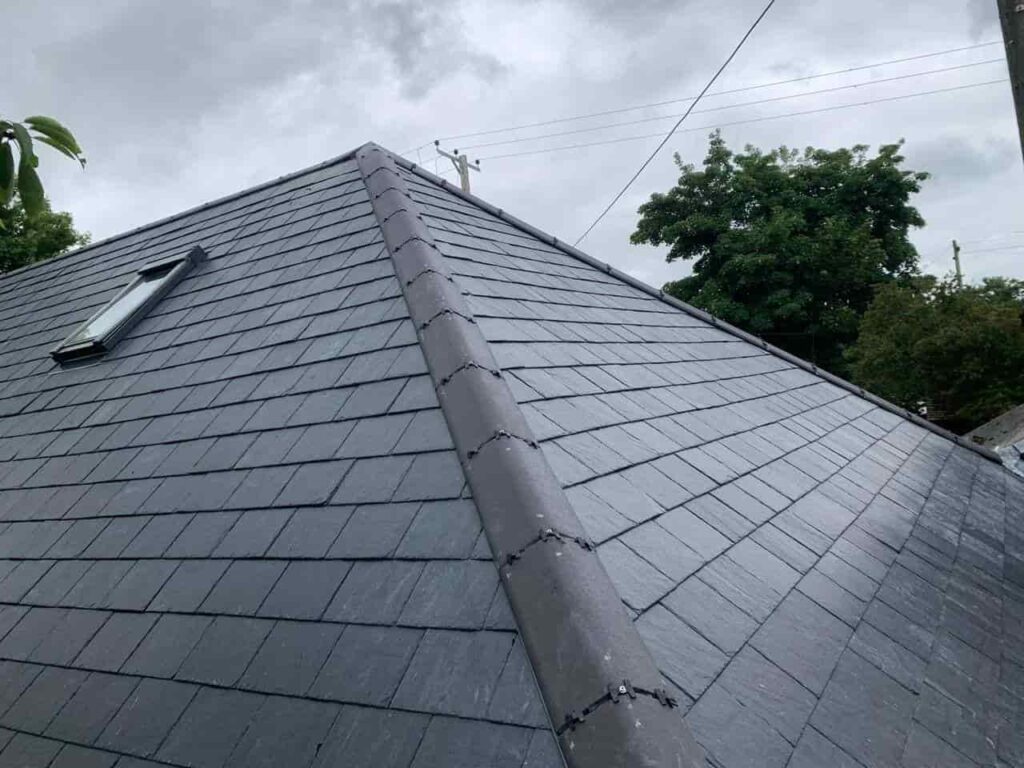
homeowners in Faversham rely on occasional visual checks to judge the condition of their roof. A quick glance from the ground or an inspection from an upstairs window can provide reassurance when everything appears intact. However, while visual checks have their place, they are rarely sufficient to confirm that a roof is genuinely safe and performing as it should.
At Faversham Roofing, we regularly assess roofs that looked fine from a distance but were found to have underlying issues during a closer inspection. This article explains why visual checks alone can be misleading and why professional assessments are essential for long-term roof safety.
Roofs Deteriorate Beneath the Surface
A roof is a layered system made up of tiles or coverings, underlay, battens, fixings, and structural timbers. While the outer surface may appear undamaged, problems often develop beneath these visible layers.
Moisture can penetrate through small gaps and spread along underlay or timbers without causing immediate surface changes. By the time a problem becomes visible from the ground, internal deterioration may already be well advanced.
Many Critical Areas Are Not Visible From Ground Level
Some of the most vulnerable parts of a roof are also the hardest to see. Areas such as valleys, flashing around chimneys, ridge fixings, and roof edges are often partially hidden or viewed at poor angles.
Minor movement, early cracking, or small gaps in these areas are easy to miss without safe access to the roof. These subtle defects can allow water ingress long before any obvious signs appear indoors.
Water Does Not Always Show Where It Enters
One of the biggest limitations of visual checks is that water does not necessarily appear where it enters the roof. Moisture can travel across timbers or under coverings before showing signs inside the property.
This means a roof may look sound externally while water is quietly affecting insulation, ceilings, or internal walls elsewhere in the home. Visual checks cannot detect this hidden movement of moisture.
Structural Issues Develop Gradually
Roof structures can weaken over time due to prolonged exposure to damp conditions or natural ageing. Early structural fatigue may not cause obvious sagging or distortion but can still compromise the roof’s ability to perform safely.
These changes are rarely detectable from a simple visual inspection and require closer assessment to identify before they become more serious.
Weather Exposure Accelerates Hidden Damage
In Faversham, changing weather conditions place ongoing stress on roofing materials. Wind-driven rain, temperature fluctuations, and seasonal wear can worsen small defects that are not visible from below.
A roof that appears unchanged after a storm may still have experienced movement or damage that only a professional inspection can identify.
Why Professional Roof Inspections Matter
Professional roof inspections go beyond surface appearance. They involve checking fixings, flashings, drainage points, and underlying components to assess how the roof is functioning as a complete system.
At Faversham Roofing, we carry out thorough inspections designed to identify early signs of deterioration, helping homeowners address issues before they escalate into more disruptive problems.
Conclusion
Visual roof checks can provide a general impression, but they are not enough to guarantee roof safety. Hidden deterioration, moisture movement, and structural changes often occur out of sight and can only be identified through professional inspection.
For homeowners in Faversham, relying solely on visual checks can lead to missed warning signs and unexpected issues. If you want confidence that your roof is genuinely safe and performing as it should, Faversham Roofing is available to provide expert inspections and reliable guidance throughout Faversham, Kent.
Call us on: 01795 718595
Click here to find out more about Faversham Roofing
Click here to complete our contact form and see how we can help with your roofing needs.