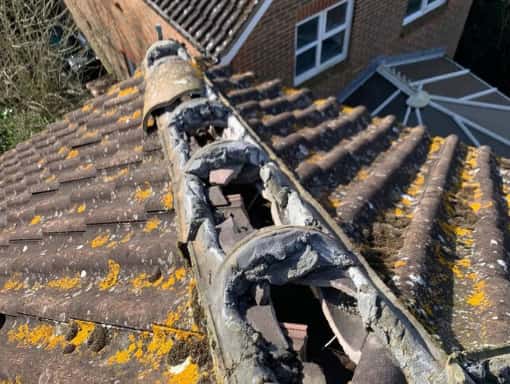
Roof repairs play an important role in maintaining a property. When damage is isolated, replacing a slipped tile, repairing flashing or addressing a localised leak can restore reliable protection without disturbing the rest of the roof. However, repairs have limitations. Once deterioration becomes widespread or several parts of the roofing system begin failing together, repairing individual defects may no longer address the underlying condition of the roof.
For homeowners in Faversham, Kent, understanding the difference between repairing a defect and renewing an entire roofing system can make it easier to decide what an ageing roof genuinely needs. At Faversham Roofing, we assess the overall condition of a roof before recommending whether targeted repairs remain suitable or whether complete replacement would provide a more dependable long-term solution.
Repairs Correct Localised Problems
A sound roof can often be successfully repaired
Roof repairs are particularly effective when the majority of the roofing system remains in good condition.
Typical repairable problems include:
- Individual cracked or broken tiles
- Slipped tiles
- Localised water ingress
- Small areas of damaged flashing
- Isolated ridge or verge defects
- Limited weather-related damage
In these circumstances, correcting the affected section can restore the roof without requiring extensive work elsewhere.
The situation changes when the defect is no longer isolated.
A Replacement Roof Can Address Widespread Deterioration
If tiles across several sections of a roof are deteriorating, replacing individual ones may become an ongoing process rather than a complete solution.
Widespread problems may include:
- Numerous weathered tiles
- Repeated tile movement
- Deterioration across multiple roof slopes
- Several vulnerable junctions
- Recurring leaks in different locations
A replacement roof allows these areas to be addressed together rather than waiting for individual components to fail one after another.
Replacement Can Renew the Hidden Roofing Layers
The visible tiles are only part of the system
One of the biggest limitations of localised roof repairs is that they generally focus on a particular accessible defect.
Beneath the roof covering are important components such as the underlay and battens. These materials can deteriorate with age even when some of the tiles above still appear serviceable.
Complete roof replacement provides access to these hidden layers. Once the old covering has been removed, the underlying roof can be inspected and appropriate components renewed before the new covering is installed.
This is one of the major differences between repairing an ageing roof and replacing it properly.
Replacement Can Resolve Recurring Leaks from Different Areas
A single roof leak often has a specific cause that can be repaired successfully.
However, an older roof may begin leaking in one area, receive a repair and then develop another leak somewhere else months later.
This pattern can indicate that several parts of the roof have become vulnerable.
Possible causes include deterioration involving:
- Roof coverings
- Underlay
- Flashing
- Valleys
- Ridge details
- Roof junctions
A replacement roof addresses the wider system rather than continuing to respond to each new point of water ingress individually.
It Can Correct a Patchwork of Previous Repairs
Years of maintenance can leave roofing materials at different stages of life
There is nothing inherently wrong with a roof having previous repairs. Proper repairs can significantly extend its serviceable life.
However, an older roof that has received numerous repairs over many years may eventually consist of sections with very different conditions.
There may be:
- Newer tiles beside heavily weathered originals
- Several repaired flashing sections
- Different areas of ridge work
- Older materials beneath newer repairs
- Multiple generations of previous maintenance
Eventually, maintaining consistent performance across the entire roof can become difficult.
Replacement creates a unified roofing system rather than continuing to add repairs to increasingly aged surrounding materials.
Replacement Can Deal with Deteriorated Battens
Roof tiles rely on the supporting components beneath them to remain correctly positioned.
If battens have deteriorated extensively, simply replacing visible damaged tiles does not necessarily address the underlying problem.
During re-roofing, the roof covering is removed so the supporting components can be properly assessed. Where renewal is necessary, this can be completed before the new tiles or slates are installed.
The result is a roofing system in which the covering and its supporting elements work together effectively.
It Can Restore Consistency Across the Entire Roof
A roof performs as one complete system
A roof is more than a collection of individual tiles. Its performance depends on multiple components working together to direct water away from the property.
When a roof becomes heavily aged, some sections may remain relatively sound while others are increasingly vulnerable.
Complete replacement can restore consistency across:
- Roof slopes
- Ridges
- Verges
- Valleys
- Flashing details
- Underlying materials
This comprehensive approach is something isolated repairs cannot achieve when deterioration has become widespread.
Replacement Can Address Multiple Defects at the Same Time
One of the strongest reasons to consider replacement is when several different roofing problems exist simultaneously.
An ageing roof might have:
- Repeatedly slipping tiles
- Deteriorated underlay
- Worn flashing
- Weathered ridge details
- Several previous repairs
- Recurring moisture penetration
Each problem could potentially be approached separately, but doing so may still leave the rest of the ageing roof untouched.
Replacement provides the opportunity to address the complete condition of the roofing system in one planned project.
A New Roof Can Restore a Uniform Appearance
Repeated repairs can sometimes become visually noticeable, particularly when replacement roofing materials differ slightly from older weathered sections.
Over time, this can result in an uneven appearance.
Complete replacement provides:
- Consistent roofing materials
- Uniform weathering from the outset
- Cleaner roof lines
- A more cohesive overall finish
For an ageing property where the roof has become visibly worn, this can significantly improve its external appearance.
Replacement Can Provide Greater Long-Term Reliability
Repairs cannot stop surrounding materials from ageing
A professional repair should resolve the defect it is designed to correct. What it cannot do is prevent unrelated older materials elsewhere on the roof from continuing to deteriorate.
This distinction becomes increasingly important as a roof ages.
If one tile is damaged on an otherwise healthy roof, repairing it makes sense. If many components are approaching the end of their serviceable condition, however, further defects may continue appearing despite previous repairs being perfectly sound.
Replacing the roof renews the wider system and provides a stronger basis for dependable long-term performance.
How Do You Know When Repairs Are No Longer Enough?
There is no single sign that automatically means a roof must be replaced.
Instead, several factors should be considered together.
Replacement may become appropriate when:
- Repairs are required increasingly often
- Leaks develop in different areas
- Large numbers of tiles are deteriorating
- Underlying materials require extensive attention
- Several roofing components are failing simultaneously
- The roof no longer provides consistent protection
A professional inspection is the most reliable way to distinguish between a roof that remains suitable for repair and one that would benefit from replacement.
Why a Proper Roof Assessment Matters
Replacement should be based on condition, not assumptions
Not every old roof needs replacing, just as not every roof leak can be resolved with a minor repair.
A professional assessment should examine the wider condition of the roofing system and identify whether the problem is genuinely localised or part of more extensive deterioration.
At Faversham Roofing, we consider the condition of the roof covering, vulnerable junctions, previous repairs and signs of wider deterioration before recommending the appropriate approach.
This helps ensure that homeowners receive roofing work suited to the actual condition of their property.
Professional Roof Replacement in Faversham
For homeowners in Faversham, Kent, a replacement roof can provide a comprehensive solution when an existing roof has deteriorated beyond what individual repairs can reasonably correct.
Faversham Roofing provides professional roof inspections, repairs and complete roof replacement services. Where repairs remain appropriate, targeted work can restore vulnerable areas and extend the roof’s useful life. Where deterioration is widespread, complete replacement allows the roofing system to be renewed properly rather than continuing to treat individual symptoms.
Conclusion
Roof repairs are highly effective for isolated defects, but they cannot correct every problem found within an ageing roofing system. When deterioration affects the roof covering, underlay, battens, flashing and multiple roof areas at the same time, replacement provides an opportunity to address the roof comprehensively.
The key difference is that repairs focus on specific defects, whereas replacement can renew the entire system and restore consistent protection across the property.
If your roof in Faversham, Kent is experiencing recurring leaks, widespread deterioration or increasingly frequent repairs, contact Faversham Roofing. Our experienced team can assess its condition and recommend whether professional repairs remain suitable or whether complete roof replacement would provide the more reliable long-term solution.
Call us on: 01795 718595
Click here to find out more about Faversham Roofing
Click here to complete our contact form and see how we can help with your roofing needs.